

Educated but Not Responsible: India’s Civic Sense Crisis
India has made remarkable progress in education over the past few decades. More people are graduating from schools and colleges, and professionals from India are making a mark around the world. However, there is one issue that often goes unnoticed—the lack of civic sense among many educated people.
Being educated does not automatically make someone a responsible citizen. Civic sense is about respecting public spaces, following rules, and caring for the well-being of others. Unfortunately, many educated individuals still ignore these basic responsibilities.
This growing gap between education and responsible behavior is becoming one of India’s biggest social challenges.
What Is Civic Sense?
Civic sense refers to the awareness and behavior expected from responsible citizens. It includes respecting laws, maintaining cleanliness, protecting public property, and showing consideration for others.
Examples of good civic sense include:
- Throwing waste in dustbins
- Following traffic rules
- Standing in queues patiently
- Respecting public property
- Paying taxes honestly
- Conserving water and electricity
- Helping people in emergencies
- Voting responsibly
- Avoiding the spread of fake news
These habits may seem small, but together they create a cleaner, safer, and more organized society.
Why Is India Facing a Civic Sense Crisis?
Despite better education, civic behavior has not improved at the same pace.
Some common reasons include:
1. Education Focuses More on Marks Than Values
Schools and colleges often emphasize academic success and career growth but spend less time teaching ethics, responsibility, and community values.
Students learn formulas and theories but may not learn how to become responsible citizens.
2. Lack of Personal Responsibility
Many people believe that maintaining roads, parks, or public places is only the government’s responsibility.
In reality, every citizen plays a role in keeping the country clean and disciplined.
3. Weak Enforcement of Rules
Traffic violations, littering, and damage to public property often go unpunished.
When rules are not enforced consistently, people become less likely to follow them.
4. Influence of Society
People often copy what they see around them.
If everyone ignores traffic signals or throws garbage on the road, others may think such behavior is acceptable.
Everyday Examples of Poor Civic Sense
Many of these situations are common across cities and towns in India:
Ignoring Traffic Rules
Even educated professionals sometimes jump red lights, drive on the wrong side of the road, or avoid wearing helmets and seat belts.
Littering Public Places
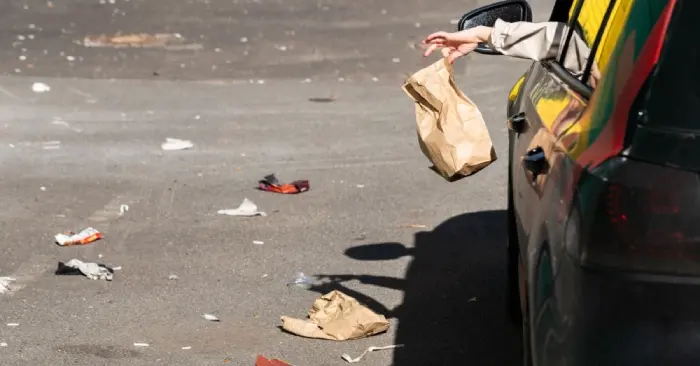
People throw plastic bottles, food wrappers, and other waste on roads despite having nearby dustbins.
Damaging Public Property
Walls are covered with posters, public buses are damaged during protests, and parks are sometimes neglected.
Noise Pollution
Loudspeakers, unnecessary honking, and loud music disturb neighborhoods and affect public health.
Spreading Fake Information
Many educated people share unverified messages on social media without checking whether the information is true.
Why Civic Sense Matters
A country cannot become truly developed without responsible citizens.
Good civic sense leads to:
- Cleaner cities
- Safer roads
- Less pollution
- Better public health
- Reduced corruption
- Stronger communities
- More efficient public services
- Greater trust among citizens
When people respect public spaces and follow rules, everyone benefits.
The Role of Schools and Colleges
Educational institutions should go beyond textbooks.
Students should learn through activities such as:
- Community cleaning drives
- Tree plantation programs
- Road safety campaigns
- Environmental awareness projects
- Volunteer work
- Civic education workshops
These experiences help students understand their responsibilities toward society.
How Families Can Build Civic Responsibility
Children learn by watching adults.
Parents can teach civic sense by:
- Following traffic rules themselves
- Keeping surroundings clean
- Respecting public property
- Speaking politely to others
- Conserving natural resources
- Encouraging honesty and discipline
Simple daily habits can shape responsible future citizens.
What Every Citizen Can Do
Improving civic sense starts with individual action.
You can make a difference by:
- Always using a dustbin
- Following traffic rules
- Respecting queues
- Avoiding unnecessary honking
- Saving water and electricity
- Reporting civic problems to local authorities
- Helping elderly and differently-abled people
- Verifying information before sharing it online
- Participating in community activities
Small actions, when practiced by millions of people, create lasting change.
Can India Improve Its Civic Sense?
Yes.
Many Indian cities have already shown positive changes through cleanliness campaigns, stricter traffic enforcement, digital public services, and growing awareness among young people.
However, lasting improvement requires cooperation between:
- Citizens
- Schools
- Families
- Government agencies
- Businesses
- Community organizations
When everyone works together, civic responsibility becomes a habit rather than a rule.
Conclusion
Education opens doors to knowledge and opportunities, but civic sense reflects a person’s character and responsibility toward society.
India’s future depends not only on educated professionals but also on citizens who respect laws, protect public spaces, and care for their communities.
Real progress is measured not only by economic growth or literacy rates but also by how responsibly people behave in everyday life.
A cleaner, safer, and more disciplined India begins with each one of us.
Frequently Asked Questions (FAQs)
What is civic sense?
Civic sense is the awareness and behavior that help citizens contribute positively to society by respecting laws, public property, and other people.
Why is civic sense important?
Good civic sense improves cleanliness, road safety, public health, environmental protection, and overall quality of life.
Why do educated people sometimes lack civic sense?
Education often focuses on academic success and careers, while civic responsibility, ethics, and practical social behavior receive less attention.
How can civic sense be improved in India?
Civic sense can improve through value-based education, stronger law enforcement, responsible parenting, public awareness campaigns, and active participation by citizens.
What are examples of good civic sense?
Following traffic rules, using dustbins, respecting queues, saving resources, protecting public property, and sharing only verified information are examples of good civic sense.
