

Is Tungnath Trek Difficult? Honest Answer
I’ll get straight to it because I hate wasting reading time: the Tungnath trek is not difficult—but it’s also not something you should take casually. It’s one of those treks that feels easy if you do it right and surprisingly exhausting if you don’t. I’ve done it myself, walked every stretch, felt the breathlessness, enjoyed the views, and dealt with the cold wind near the top. So this is not a copied guide or an exaggerated adventure story—this is exactly how it feels on the ground.
Most people asking about Tungnath aren’t worried about distance. They’re worried about altitude, steepness, and whether they’ll embarrass themselves halfway up. I had the same doubts before going. After completing it, I can say this confidently: if you can walk patiently and respect the mountains, Tungnath is very doable—even for beginners.
Why Tungnath Feels Intimidating Before You Go
Tungnath sounds scary on paper. It’s the highest Shiva temple in the world, sitting at around 12,000 feet. That single fact is enough to make first-timers nervous. Add to that Instagram photos of snow, fog, and people gasping for breath, and suddenly it feels like a hardcore Himalayan expedition.
In reality, the fear mostly comes from overthinking.
The trail starts from Chopta, which is already a calm, beautiful base. You’re not jumping from the plains straight into thin air. Your body gets time to adjust, even if you don’t consciously notice it. The path itself is well-marked, wide, and frequently used. You’re not navigating forests or scrambling over rocks blindly.
The challenge isn’t technical—it’s consistent uphill walking.
Distance and Trail: What the Trek Actually Feels Like
The trek from Chopta to Tungnath is roughly 3.5 to 4 km one way. That’s not long. What matters is that it’s almost continuously uphill.
Here’s how it honestly feels:
-
First part: Comfortable, gentle incline
-
Middle section: You start breathing heavier, pace slows naturally
-
Final stretch: Steeper, colder, and mentally demanding
The last 600–700 meters are where people struggle—not because it’s dangerous, but because fatigue catches up. This is where I saw people questioning themselves, taking frequent breaks, or wondering if they should turn back.
I slowed down here. I stopped chasing pace. I walked ten steps, paused, breathed, and continued. That simple approach made all the difference.
Altitude: The Part Nobody Explains Properly
Yes, Tungnath is high. Yes, oxygen is lower. But no, it doesn’t automatically mean altitude sickness.
What altitude actually does here:
-
Makes your breathing heavier
-
Forces you to slow down
-
Drains energy faster
What it usually doesn’t do:
-
Knock you out suddenly
-
Cause serious sickness for most people
Because the trek is short and you return the same day, risks stay low—as long as you don’t rush. People who struggle are usually the ones trying to “finish fast” instead of finishing comfortably.
I treated it like a long walk, not a race. That mindset alone reduced half the difficulty.
Weather Is the Real Game Changer
If someone tells you Tungnath is difficult, ask them when they went.
-
Summer (April–June): Easiest and best for beginners
-
Post-monsoon (Sept–Oct): Clear views, cold mornings
-
Monsoon: Slippery, foggy, mentally tiring
-
Winter: Completely different trek
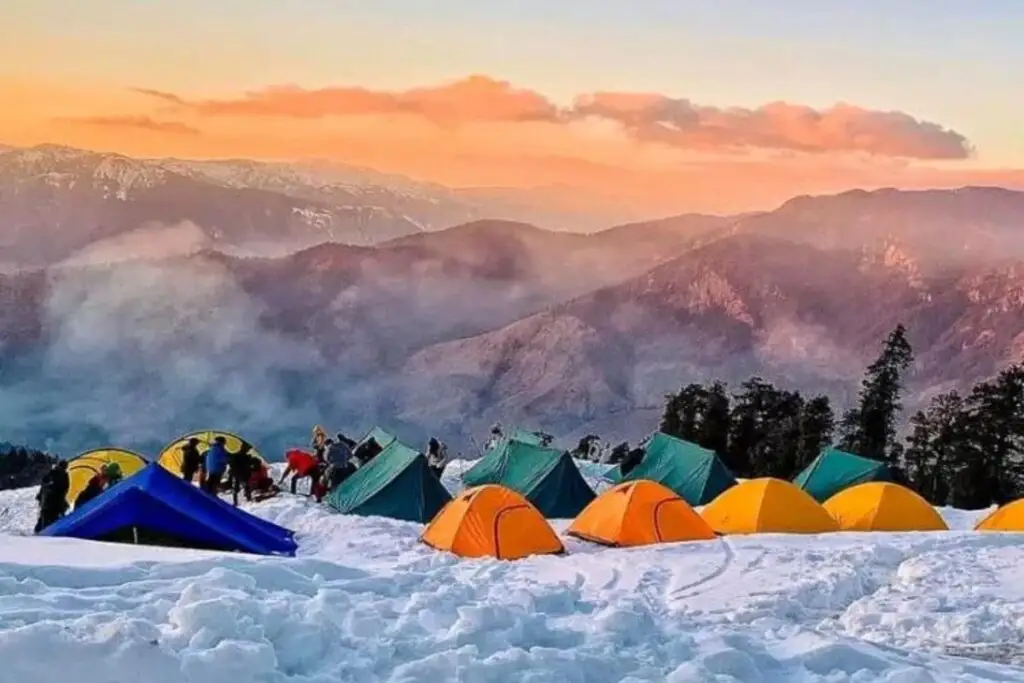
I’ve seen the trail in colder conditions, and that’s when Tungnath can feel genuinely challenging. Snow changes everything—pace, balance, temperature, and decision-making. In winter, the same easy trail demands more stamina and awareness.
This is where having experienced locals around helps. Not as guides shouting instructions, but as people who understand weather patterns, pacing, and safe turn-back points. Groups like Searching Souls, who operate Tungnath Trek quietly in this region, are familiar with how quickly conditions change here. It never felt like a commercial setup—just people who know the mountains well and let you move at your own comfort.
Is Tungnath Trek Beginner-Friendly? Honestly, Yes
I’ll say this clearly: Tungnath is one of the best treks for beginners in the Indian Himalayas.
You don’t need:
-
Prior trekking experience
-
High-end gear
-
Extreme fitness
You do need:
-
Basic stamina
-
Warm clothes
-
Good shoes
-
Patience
I saw people of all ages—young kids, older couples, solo travelers—making it to the temple. The ones who struggled weren’t unfit; they were impatient.
Mountains punish rushing. Tungnath rewards calm effort.
Do You Need a Guide or Group?
The trail is straightforward, so technically, you can do it alone. But “can” and “should” are different things.
If you’re:
-
Visiting in winter
-
New to high altitude
-
Unsure about weather
-
Traveling solo
Going with an experienced group adds comfort. Not because the trail is confusing, but because decision-making becomes easier. When to stop, when to push, when weather looks off—these things matter.
I appreciated being around people who had done this route multiple times. There was no pressure, no sales pitch, no rush. Just steady movement and shared understanding. That kind of experience stays with you longer than a rushed solo summit.
Tungnath vs Chandrashila: Don’t Mix Them Up
Many people say Tungnath is difficult because they actually mean Chandrashila.
Here’s the truth:
-
Tungnath Temple: Easy to moderate
-
Chandrashila Summit: Steeper, windier, more demanding
The extra 1 km to Chandrashila changes the game. If you’re tired at Tungnath, stopping there is perfectly fine. There’s no rule saying you must push further.
I decided based on energy and weather, not ego. That decision made the trek enjoyable instead of exhausting.
Mental Strength Matters More Than Physical Strength
The hardest part of Tungnath isn’t your legs—it’s your head.
-
Seeing endless uphill can be discouraging
-
Cold wind near the top messes with motivation
-
Watching faster trekkers can kill confidence
Once I stopped comparing and focused only on my rhythm, everything felt easier. I stopped counting distance and started enjoying the silence, the prayer flags, the changing views.
That’s when Tungnath stopped feeling like a “trek” and started feeling like an experience.
My Final, Honest Verdict
So, is Tungnath trek difficult?
For beginners: No, if you’re patient
For average fitness: Very manageable
In winter: Moderately challenging
With poor prep: Can feel hard
Tungnath is not about toughness. It’s about steady movement and respect for the mountain. If you go expecting struggle, you’ll be surprised by how achievable it feels. If you go careless, even this simple trek will test you.
Walk slow. Breathe. Let the mountain set the pace.
That’s the real secret.
