

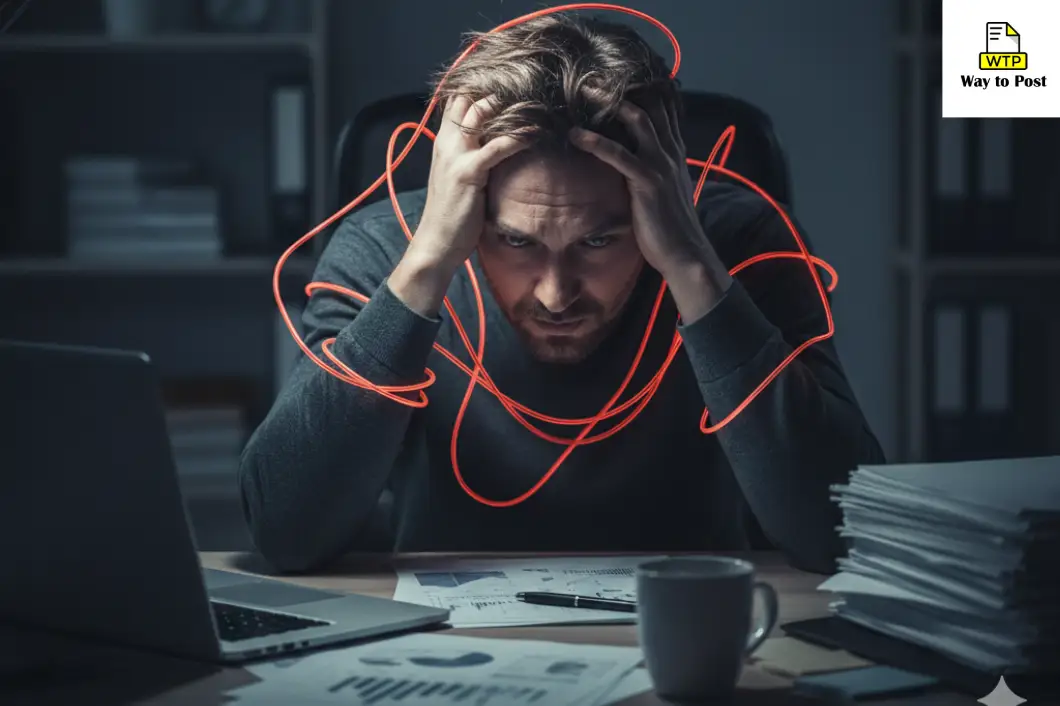
How Chronic Stress Affects Male Intimate Wellness
Male intimate wellness is often discussed in fragmented terms, focusing on isolated symptoms rather than the broader picture. In reality, it reflects the combined state of mental health, emotional stability, circulation, hormonal balance, and daily habits. When these elements work together, the body functions naturally. When they are disrupted—especially by chronic stress—the effects can quietly appear in ways that are difficult to ignore.
In today’s fast-paced world, stress is no longer occasional. It is constant, subtle, and deeply ingrained in daily routines. Over time, this persistent pressure influences not only mood and energy but also confidence, emotional closeness, and physical responsiveness. Understanding these connections is essential for anyone seeking sustainable improvement without unrealistic expectations or quick fixes.
The Hidden Impact of Chronic Stress on Men
Stress is designed to protect the body in short bursts. It heightens awareness, increases heart rate, and redirects energy toward immediate survival. Problems arise when stress becomes continuous. Instead of returning to a relaxed state, the body remains on alert.
For men, this prolonged tension can affect:
-
Nervous system balance
-
Blood flow regulation
-
Hormonal signaling
-
Emotional responsiveness
Because these systems are interconnected, strain in one area often spreads to others. The result is not a sudden breakdown but a gradual shift away from ease and comfort.
Nervous System Regulation and Physical Ease
The nervous system operates in two primary modes: activation and relaxation. Healthy intimate function relies heavily on the ability to shift into the relaxed state, where the body feels safe and present.
Chronic stress and anxiety keep the system locked in activation. This makes it difficult for the body to respond naturally, even when desire or intention is present. The issue is not motivation—it is regulation.
Practices that calm the nervous system help restore this balance. These include mindful breathing, reducing overstimulation, and creating consistent routines that signal safety to the body.
Emotional Pressure and Self-Perception
Men are often conditioned to associate physical responsiveness with identity and self-worth. When stress-related changes occur, they may interpret them as personal failures rather than normal physiological responses.
This internal narrative can lead to:
-
Feelings of inadequacy
-
Emotional withdrawal
-
Avoidance of closeness
-
Heightened self-monitoring
Over time, this emotional tension becomes part of the problem. Breaking the cycle begins with reframing the experience as a health signal, not a reflection of character or capability.
Circulation, Movement, and Vitality
Healthy circulation plays a critical role in overall vitality. Stress causes blood vessels to constrict slightly, prioritizing survival over restoration. When this state persists, physical responsiveness can feel inconsistent or muted.
Regular movement supports circulation and helps discharge accumulated tension. This does not require intense workouts. Walking, stretching, and light resistance training are often enough to support vascular health and emotional regulation.
Movement also reinforces a sense of agency, which contributes to confidence and presence.
Hormonal Balance and Daily Habits
Hormones respond to patterns, not isolated events. Sleep deprivation, irregular meals, constant screen exposure, and unmanaged stress all influence hormonal signaling over time.
Signs of imbalance may include:
-
Reduced energy
-
Emotional flatness
-
Difficulty concentrating
-
Lower motivation
Supporting hormonal balance requires consistency. Adequate sleep, nutritious food, and periods of rest allow the body to recalibrate naturally.
Overthinking and Performance Anxiety
One of the most overlooked contributors to male intimate challenges is overthinking. When attention shifts from experience to evaluation, the nervous system remains activated.
This creates a feedback loop:
-
Anticipation triggers stress
-
Stress reduces ease
-
Reduced ease increases monitoring
-
Monitoring amplifies stress
Presence—not control—is what allows the body to function smoothly. Letting go of outcome-focused thinking often restores balance more effectively than trying harder.
Relationships and Emotional Safety
Intimate wellness does not exist in isolation. Emotional safety within a relationship plays a powerful role in how relaxed and responsive the body feels.
Open communication reduces pressure and builds trust. When expectations are softened and understanding is present, the nervous system relaxes naturally. This creates space for connection without force or urgency.
Lifestyle Foundations That Support Long-Term Wellness
Sleep
Quality sleep allows the nervous system and hormones to reset. Consistent sleep schedules are more important than duration alone.
Nutrition
Whole foods support circulation and sustained energy. Balanced meals help stabilize mood and physical resilience.
Stress Management
Simple practices such as breathing exercises, mindfulness, and reducing constant notifications can significantly lower baseline stress levels.
Digital Boundaries
Continuous digital engagement keeps the brain in a reactive state. Creating offline time helps the body return to a calmer rhythm.
When Professional Guidance Becomes Relevant
Lifestyle adjustments form the foundation of wellbeing, but some individuals benefit from additional support discussed with a healthcare professional. In certain cases, doctors may consider clinically supervised oral support options as part of a broader plan.
These options are typically:
-
Used responsibly and temporarily
-
Combined with lifestyle improvements
-
Guided by medical advice
Responsible Use and Realistic Expectations
Support options are not substitutes for healthy routines. Their role is to assist while underlying factors—such as stress, sleep, and emotional health—are addressed.
Responsible use prioritizes:
-
Safety
-
Long-term wellbeing
This perspective avoids dependency and reinforces sustainable improvement.
Rebuilding Confidence Naturally
Confidence often returns when pressure is removed. Supporting the body through consistent habits allows confidence to rebuild organically rather than through force.
Men who focus on vitality rather than outcomes often notice:
-
Greater emotional ease
-
Improved presence
-
More stable energy
-
Stronger connection
These changes reinforce each other over time.
A Long-Term Perspective on Male Intimate Health
Male wellness evolves across different life stages. Temporary disruptions do not define long-term outcomes. What matters most is consistency, self-awareness, and a willingness to address both physical and emotional factors.
Sustainable improvement comes from alignment—not urgency.
Conclusion
Male intimate wellness reflects the state of the entire system: mind, body, and lifestyle. Chronic stress, emotional pressure, and modern habits can quietly disrupt this balance, but understanding these connections makes recovery possible.
By prioritizing nervous system regulation, healthy routines, emotional awareness, and responsible professional guidance when appropriate, men can sustainably restore vitality and confidence.
True wellbeing is not about performance or comparison. It is about balance, presence, and long-term health.
