

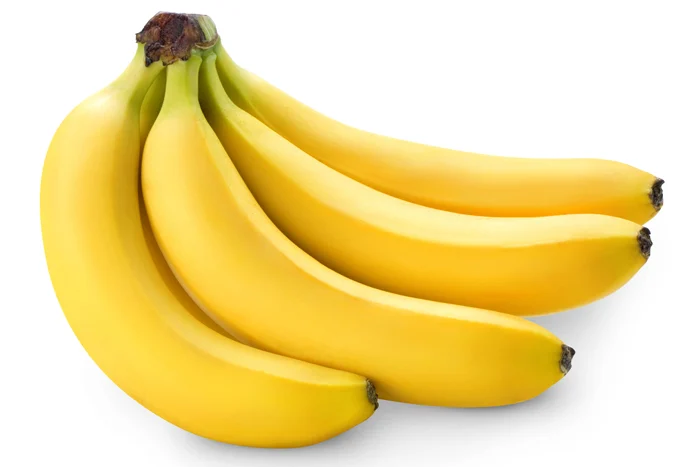
What Happens to Your Body When You Eat a Banana Every Day?
Eating a banana every day may seem like a small habit, but it can offer several health benefits. Bananas are one of the most popular fruits worldwide because they are affordable, easy to eat, naturally sweet, and packed with important nutrients.
Bananas contain potassium, vitamin B6, vitamin C, dietary fibre, magnesium, and natural carbohydrates. These nutrients help support heart health, digestion, muscle function, and overall well-being.
But what actually happens to your body when you eat a banana every day? Can it improve digestion, give you energy, support weight management, and help your heart?
Let’s explore the health benefits of eating one banana daily, possible side effects, and the best time to eat bananas.
Nutritional Value of One Medium Banana
A medium-sized banana (approximately 118 grams) contains several essential nutrients.
| Nutrient | Approximate Amount |
|---|---|
| Calories | 105 kcal |
| Carbohydrates | 27 g |
| Natural sugars | 14 g |
| Dietary fibre | 3.1 g |
| Protein | 1.3 g |
| Fat | 0.4 g |
| Potassium | 422 mg |
| Vitamin C | 10.3 mg |
| Vitamin B6 | 0.4 mg |
| Magnesium | 32 mg |
Bananas are naturally low in fat and contain no cholesterol. They also provide antioxidants and plant compounds that contribute to a healthy diet.
10 Health Benefits of Eating a Banana Every Day
1. Supports Better Digestion
One of the main benefits of eating bananas daily is their fibre content. Dietary fibre supports regular bowel movements and helps maintain digestive health.
Bananas contain soluble fibre, including pectin, which helps support normal digestion.
Slightly green bananas also contain resistant starch, which acts like fibre and can be used by beneficial gut bacteria.
Eating a banana regularly may help:
- Support healthy bowel movements.
- Improve overall fibre intake.
- Support beneficial gut bacteria.
- Promote digestive health.
However, bananas are not a guaranteed treatment for constipation. Drinking enough water and eating a variety of fibre-rich foods are also important.
2. Helps Maintain Heart Health
Bananas are rich in potassium, an important mineral that plays a role in maintaining normal blood pressure.
Potassium helps balance sodium levels in the body and supports normal blood vessel function.
Eating potassium-rich foods as part of a balanced diet may help support healthy blood pressure and cardiovascular health.
A medium banana provides approximately 422 mg of potassium.
However, eating bananas alone cannot prevent or treat heart disease. A healthy diet, regular exercise, and appropriate medical care are also important.
3. Provides Natural Energy
Do you often feel tired during the day?
A banana can be a convenient snack when you need energy. It contains natural carbohydrates, including glucose, fructose, and sucrose, which the body can use for fuel.
This makes bananas a useful pre-workout or post-workout snack.
Eating a banana before exercise may help provide energy for physical activity. After exercise, pairing it with protein-rich foods such as yogurt or milk can make a more balanced recovery snack.
4. Supports Healthy Weight Management
If you are trying to maintain a healthy weight, bananas can be included in your daily diet.
A medium banana contains approximately 105 calories and 3.1 grams of fibre.
Fibre helps you feel full for longer, which may reduce unnecessary snacking between meals.
Bananas can also replace high-calorie desserts and sugary snacks.
Some simple ways to include bananas in a weight-conscious diet include:
- Eating one banana as a morning snack.
- Adding banana slices to oatmeal.
- Mixing banana with plain yogurt.
- Using mashed banana as a natural sweetener in homemade recipes.
Remember, bananas do not directly burn body fat or cause weight loss. Overall calorie intake and physical activity matter most.
5. Supports Brain and Nerve Function
Bananas contain vitamin B6, which plays an important role in brain development and normal nervous system function.
Vitamin B6 helps the body produce neurotransmitters, which are chemical messengers that allow nerve cells to communicate.
It also supports the production of haemoglobin and helps the body use protein and carbohydrates.
Eating bananas as part of a balanced diet can contribute to your daily vitamin B6 intake.
6. Helps Maintain Muscle Function
Potassium and magnesium are essential minerals involved in normal muscle function.
Potassium helps muscles contract properly, while magnesium contributes to muscle and nerve function.
Eating bananas can help provide these minerals, especially when combined with other nutrient-rich foods.
However, muscle cramps can have several causes, including dehydration, exercise intensity, and medical conditions. Eating a banana is not a guaranteed way to prevent or treat muscle cramps.
7. Supports Gut Health
Your digestive system contains trillions of microorganisms, including beneficial bacteria that support gut health.
Green or slightly unripe bananas contain resistant starch, which can act as a prebiotic.
Prebiotics help feed beneficial gut bacteria.
A healthy gut microbiome plays a role in digestion and overall health.
Including bananas, vegetables, whole grains, legumes, and other fibre-rich foods in your diet can help support a healthy digestive system.
8. Provides Antioxidants
Bananas contain several antioxidant compounds, including dopamine and other plant compounds.
Antioxidants help protect cells against oxidative stress caused by unstable molecules known as free radicals.
Oxidative stress is associated with several health conditions and ageing processes.
Eating fruits such as bananas as part of a balanced diet helps increase your intake of protective plant compounds.
9. Supports Immune System Function
Bananas contain vitamin C and vitamin B6, both of which contribute to normal immune system function.
Vitamin C supports immune cell activity and helps protect cells from oxidative damage.
Vitamin B6 is involved in several biological processes necessary for normal immune function.
Although bananas provide these nutrients, no single food can prevent infections or guarantee a strong immune system.
Eating a variety of fruits, vegetables, whole grains, and protein-rich foods is important for overall health.
10. May Help Support Better Exercise Recovery
Bananas are commonly eaten by athletes and fitness enthusiasts because they provide carbohydrates and important electrolytes.
Potassium helps maintain fluid balance and normal muscle function.
Eating a banana after physical activity can help replenish some of the carbohydrates used during exercise.
For better recovery after intense workouts, combine a banana with protein sources such as:
- Milk.
- Greek yogurt.
- Peanut butter.
- Eggs as part of a meal.
This provides a more balanced combination of nutrients.
What Happens to Your Body If You Eat One Banana Every Day for 30 Days?
Eating one banana every day for 30 days can be a simple way to improve your overall fruit and nutrient intake.
Here are some possible changes:
During the First Week
You may notice that bananas make a convenient and satisfying snack. They provide natural carbohydrates and fibre, helping you replace less nutritious snacks.
After Two Weeks
If bananas replace lower-fibre snacks, your overall fibre intake may improve. This can support regular bowel movements, particularly when you drink enough water.
After Three Weeks
Eating bananas regularly can contribute to your potassium and vitamin B6 intake. These nutrients support normal muscle, nerve, and cardiovascular function.
After 30 Days
You may have developed a healthier eating habit and increased your fruit intake. However, visible changes in weight, blood pressure, or digestion are not guaranteed.
The results depend on your overall diet, lifestyle, activity level, and health conditions.
What Is the Best Time to Eat a Banana?
Bananas can be eaten at different times of the day. There is no scientifically proven single best time to eat them.
Here are some convenient options:
1. Morning
Eating a banana in the morning provides carbohydrates and fibre. You can combine it with oatmeal, milk, or yogurt for a nutritious breakfast.
2. Before a Workout
A banana can be a convenient source of energy before exercise because it contains easily available carbohydrates.
3. After a Workout
Pairing a banana with protein-rich food can support post-exercise recovery.
4. As an Evening Snack
A banana can be a healthier alternative to biscuits, sweets, and other highly processed snacks.
You can eat bananas whenever they fit comfortably into your daily meal plan.
Are There Any Side Effects of Eating Bananas Every Day?
Bananas are generally safe for most healthy people when eaten in moderate amounts. However, eating them may not be suitable for everyone.
Here are some possible concerns:
1. Increased Potassium Levels
Bananas contain potassium. Healthy kidneys usually remove excess potassium from the body.
However, people with chronic kidney disease or certain conditions that affect potassium regulation may need to limit potassium-rich foods.
If you have kidney disease, follow your doctor’s dietary recommendations.
2. Blood Sugar Concerns
Bananas contain natural sugars and carbohydrates, which can increase blood glucose levels.
People with diabetes can generally include bananas in their diet, but portion size and overall carbohydrate intake matter.
Choosing a smaller banana and pairing it with protein or healthy fats may help create a more balanced snack.
3. Digestive Discomfort
Eating large quantities of bananas may cause bloating or digestive discomfort in some people.
If you experience these symptoms, reduce your portion size and observe how your body responds.
4. Allergic Reactions
Some people may experience an allergic reaction to bananas.
Symptoms can include itching, swelling, skin reactions, or discomfort in the mouth and throat.
Seek emergency medical attention if you experience difficulty breathing or swelling of the throat.
How Many Bananas Should You Eat Per Day?
For most healthy adults, one medium banana per day can be a reasonable part of a balanced diet.
Some people may eat two bananas depending on their nutritional needs and overall food intake.
However, eating more bananas does not automatically provide more health benefits.
It is better to include different fruits such as:
- Apples.
- Oranges.
- Papaya.
- Guava.
- Watermelon.
- Berries.
- Pomegranate.
Eating a variety of fruits provides a wider range of vitamins, minerals, fibre, and antioxidants.
Ripe Banana vs Green Banana: Which Is Healthier?
Both ripe and green bananas offer nutritional benefits, but their nutrient composition changes as they ripen.
Green Bananas
- Contain more resistant starch.
- Have a firmer texture.
- Are less sweet.
- May support beneficial gut bacteria.
Yellow Ripe Bananas
- Have a sweeter taste.
- Contain less resistant starch.
- Have more readily available sugars.
- Are softer and easier to eat.
Brown-Spotted Bananas
- Are very ripe and sweet.
- Have a softer texture.
- Work well in smoothies, pancakes, and homemade banana bread.
There is no universally healthier option. You can choose based on your taste, digestion, and nutritional needs.
Who Should Be Careful About Eating Bananas?
Although bananas are nutritious, certain people should pay attention to their intake.
These include:
- People with chronic kidney disease who need to control potassium intake.
- People with diabetes who need to monitor carbohydrate portions.
- People with a banana allergy.
- People who experience digestive discomfort after eating bananas.
If you have a medical condition or follow a restricted diet, consult a healthcare professional before making significant dietary changes.
Frequently Asked Questions About Eating Bananas Every Day
1. Is it good to eat a banana every day?
Yes. Eating one banana daily can provide potassium, fibre, vitamin B6, and vitamin C. It can support digestive health, normal muscle function, and overall nutrition.
2. What happens if I eat one banana every morning?
Eating a banana every morning provides carbohydrates, fibre, and essential nutrients. It can be a convenient addition to breakfast and may help you feel satisfied until your next meal.
3. Can eating bananas every day help with weight loss?
Bananas may support weight management because they contain fibre and can replace less nutritious snacks. However, bananas do not directly burn fat or cause weight loss.
4. Does eating bananas improve digestion?
Bananas contain dietary fibre and resistant starch, which can support digestive health and beneficial gut bacteria. Their effects may vary depending on ripeness and individual digestive health.
5. Is eating a banana at night good?
Yes. Most people can safely eat a banana at night. There is no strong scientific evidence that eating bananas at night causes weight gain or disrupts sleep.
6. Can people with diabetes eat bananas?
Yes, many people with diabetes can eat bananas in moderate portions. However, bananas contain carbohydrates and natural sugars, so portion control and blood glucose monitoring are important.
7. Are bananas good for the heart?
Bananas contain potassium, which supports normal blood pressure regulation. Including potassium-rich foods in a balanced diet may contribute to better cardiovascular health.
8. Can I eat bananas on an empty stomach?
Most healthy people can eat bananas on an empty stomach. However, if you experience acidity, bloating, or discomfort, try eating them with other foods.
9. Do bananas help reduce muscle cramps?
Bananas provide potassium and magnesium, which support normal muscle function. However, muscle cramps have several possible causes, and bananas are not a proven treatment.
10. Is one banana enough for breakfast?
A banana alone may not provide enough protein or overall energy for a complete breakfast. Combine it with eggs, milk, yogurt, nuts, or oatmeal for a more balanced meal.
Final Thoughts
Eating a banana every day is a simple and affordable way to add important nutrients to your diet. Bananas provide potassium, fibre, vitamin B6, vitamin C, and natural carbohydrates that support digestion, heart health, muscle function, and energy production.
For most healthy adults, one banana daily can be part of a healthy eating routine.
However, remember that no single fruit can provide all the nutrients your body needs. Combine bananas with a variety of fruits, vegetables, whole grains, and protein-rich foods to maintain a balanced diet.
A small daily habit, such as eating a banana, can be a positive step towards healthier eating.
