

How to Reach Kuari Pass Trek from Delhi – Route & Tips
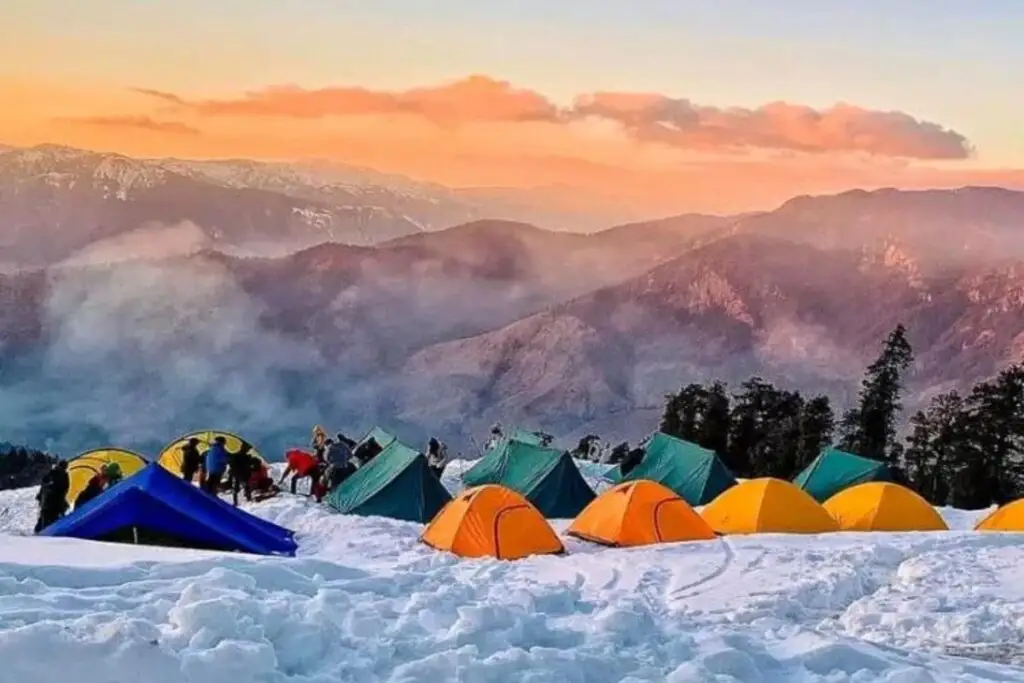
Planning the Kuari Pass Trek from Delhi? Great choice! It’s one of those treks that beautifully blends adventure, nature, and peace. Standing at an altitude of around 12,516 ft, Kuari Pass gives you postcard-perfect views of majestic Himalayan peaks like Nanda Devi, Chaukhamba, Kamet, and Dronagiri. But before you reach those meadows and snowy ridges, you’ll need to know how to get there smoothly. I’ve done this route myself, and here’s a detailed, direct, and experience-based guide—no fluff, just useful info.
Overview – How the Journey from Delhi to Kuari Pass Unfolds
The journey is divided into three simple segments:
-
Delhi → Rishikesh (Base Transit Town)
-
Rishikesh → Joshimath (Main Base Camp)
-
Joshimath → Dhak Village (Trek Starting Point)
From Dhak Village, you start walking on foot into the mesmerizing world of Garhwal Himalayas.
Let’s go step by step.
Step 1: Delhi to Rishikesh (Approx. 250 km)
How to Reach Rishikesh
Rishikesh acts as the entry gate to the Himalayas for many treks. From Delhi, it’s around 250 km and can be reached in several ways depending on your budget and comfort.
1. By Train
-
Take an overnight train from New Delhi to Haridwar. Popular options include Jan Shatabdi Express and Nanda Devi Express.
-
From Haridwar, catch a local bus or cab to Rishikesh, just 40 minutes away.
This option is comfortable and saves time since you can rest overnight.
2. By Bus
Buses are available from ISBT Kashmiri Gate and Anand Vihar terminals. You can choose between:
-
Government buses (UTC, UPSRTC) – cheaper, reliable.
-
Volvo/Private sleeper buses – more comfortable, slightly costlier.
The journey takes around 6–7 hours, depending on traffic.
3. By Car or Bike
If you enjoy long drives, this is a scenic highway route:
-
Route: Delhi → Meerut → Muzaffarnagar → Roorkee → Haridwar → Rishikesh
Start early, preferably before 5 AM, to bypass city traffic. There are plenty of roadside dhabas for breakfast breaks—try parathas at Cheetal Grand near Khatauli; it’s a traveler favorite.
Where to Stay in Rishikesh
If you reach by evening, it’s smart to rest overnight before heading to the mountains. You’ll find plenty of budget hotels and backpacker hostels near Tapovan or Laxman Jhula.
If you want a peaceful vibe before your trek, stay at one of the riverside guesthouses—it’s calm, and the sound of the Ganga at night is therapeutic.
Step 2: Rishikesh to Joshimath (Approx. 260 km)
Journey Details
Now the real mountain drive begins. From Rishikesh, you’ll travel deep into the Garhwal Himalayas towards Joshimath, which serves as the base camp for the Kuari Pass Trek.
-
Distance: ~260 km
-
Time: 9–10 hours
-
Route: Rishikesh → Devprayag → Srinagar → Rudraprayag → Karnaprayag → Chamoli → Joshimath
The entire drive runs parallel to the Alaknanda River, offering breathtaking views at every turn. You’ll cross several “Prayags” (river confluences), each with its own mythological story.
Transport Options
-
Shared Taxis or Tempo Travellers:
Available from Rishikesh taxi stand early morning (5–6 AM). This is the most common choice among trekkers as it’s budget-friendly and fairly comfortable. -
Private Cab:
You can book through your trekking operator or local travel agents. Costs around ₹6000–₹7000 per cab but makes sense if you’re in a group. -
State Bus:
A few early morning buses go to Joshimath, but they’re slower and less comfortable. They usually take 11–12 hours.
I personally prefer shared taxis—they start early, stop for meals, and you meet other trekkers along the way. Make sure to grab breakfast at Devprayag; the local aloo-puri there hits differently in mountain air!
Where to Stay in Joshimath
Joshimath is a charming hill town and the main hub for several treks (like Valley of Flowers, Auli, and Kuari Pass). You can find:
-
Budget guesthouses (₹800–₹1500/night)
-
Mid-range hotels
-
Homestays run by locals
If you want something scenic, pick a hotel near the Auli ropeway—amazing mountain views guaranteed!
Step 3: Joshimath to Dhak Village (Trek Starting Point)
Dhak Village is around 12–13 km from Joshimath and marks the official beginning of your Kuari Pass Trek. The drive takes about 30–40 minutes, and the road is narrow but beautiful.
You’ll pass small hamlets, apple orchards, and terraced fields. Once you reach Dhak, you’ll meet your trek guide and porters (if you’re on a guided trek).
From here, your journey on foot begins toward campsites like Gulling, Tali, and Kuari Pass Top over the next few days.
Route Overview Table
| Segment | Distance | Transport | Duration | Tips |
|---|---|---|---|---|
| Delhi → Rishikesh | 250 km | Bus/Train/Car | 6–7 hrs | Overnight journey saves time |
| Rishikesh → Joshimath | 260 km | Shared cab/Bus | 9–10 hrs | Start early (5–6 AM) |
| Joshimath → Dhak | 13 km | Jeep/Cab | 30–40 mins | Arrange transport via guide |
| Dhak → Kuari Pass | 26–28 km (Trek) | On Foot | 4–5 days | Gradual ascent, moderate difficulty |
Best Time to Do Kuari Pass Trek
Choosing the right time makes or breaks your trek experience.
Here’s what I’ve learned from experience:
-
March to May (Spring-Summer): Pleasant weather, clear trails, blooming rhododendrons, and bright mountain views. Perfect for first-timers.
-
October to December (Autumn-Winter): Crisp skies, snow patches, and perfect visibility of Nanda Devi. The trek gets a winter charm but requires warm layers.
-
Avoid July–September: The monsoon brings landslides and slippery trails—not recommended.
If you love snow treks, December is magical—just make sure you have proper gear.
Essential Travel Tips
-
Start early from every location. Mountain roads are unpredictable—early departures mean fewer risks.
-
Keep buffer days. Weather delays can happen anytime. Add at least one extra day to your itinerary.
-
Carry sufficient cash. ATMs are available only till Joshimath, and network coverage is limited.
-
Stay hydrated and light. The altitude gain is steady; drink water regularly to avoid AMS (Altitude Mountain Sickness).
-
Layer up properly. Weather can switch from sunny to freezing within minutes.
-
Pack light, pack right. Carry only essentials—heavy bags can drain your energy quickly.
-
Respect local culture. The villages along the way are warm and welcoming. Smile, greet, and travel responsibly.
Choosing a Guided Trek Company (My Recommendation)
If it’s your first time in the Himalayas, I’d genuinely recommend going through a guided trek operator. It saves you from managing permits, equipment, food, and route planning.
When I did Kuari Pass trekking, I joined a group organized by The Searching Souls (TSS). Their guides were local, experienced, and genuinely cared for safety. They managed everything from Rishikesh to Dhak and back, including accommodation, meals, and camping gear.
The best part? It didn’t feel commercial at all—it felt like traveling with a group of mountain-loving friends.
There are other companies too, like Indiahikes and Himalayan Hikers, but whichever you choose, read recent reviews, check their safety measures, and confirm if they provide transport from Rishikesh or Joshimath.
My Personal Route Suggestion
If you want a smooth experience, here’s the ideal travel plan I followed and highly recommend:
Day 0: Overnight bus from Delhi → Rishikesh
Day 1: Rishikesh → Joshimath (Stay overnight)
Day 2: Joshimath → Dhak Village → Trek to Gulling campsite
Day 3–5: Trek to Kuari Pass Top and return via Tali
Day 6: Joshimath → Rishikesh
Day 7: Rishikesh → Delhi
This plan gives you buffer time, acclimatization, and enough rest before heading back to Delhi.
Final Thoughts
Reaching Kuari Pass Trek from Delhi is not difficult—it just takes a little planning. The route via Rishikesh and Joshimath is scenic, safe, and well-connected. The entire journey, from plains to peaks, feels like a gradual unveiling of the Himalayas.
Whether you go solo or with a group, this trek promises jaw-dropping views, peaceful campsites, and unforgettable memories.
So pack your backpack, charge that camera, and take that leap into the mountains—you’ll come back a different person.
